A constitutional petition filed at the High Court has reignited a long-running debate over noise pollution and commuter rights in Kenya’s public transport system.
The case challenges the widespread practice of blasting loud “nganya” music in Public Service Vehicles (PSVs), arguing that it violates multiple constitutional rights and amounts to psychological torture for passengers.
The petitioner, Samuel Nyamari, contends that commuters are routinely subjected to excessive noise without consent, especially in matatus where amplified music is treated as part of the travel experience. According to the petition, this practice infringes on the rights to dignity, health, and a clean and safe environment, as guaranteed under the Constitution. The filing calls for a total ban on loud music in PSVs, not merely regulation.
At the heart of the petition is the argument that passengers—particularly children, the elderly, pregnant women, and people with medical sensitivities—have little choice but to endure harmful noise levels. The petition further claims that prolonged exposure to high-volume music can cause stress, anxiety, hearing damage, and fatigue, turning what should be a routine commute into a distressing experience.
Nyamari also raises concerns about consent and power imbalance. In many cases, commuters who request lower volumes are ignored or ridiculed, while conductors and drivers control the environment without accountability. The petition asserts that this dynamic strips passengers of agency and undermines their constitutional protections.
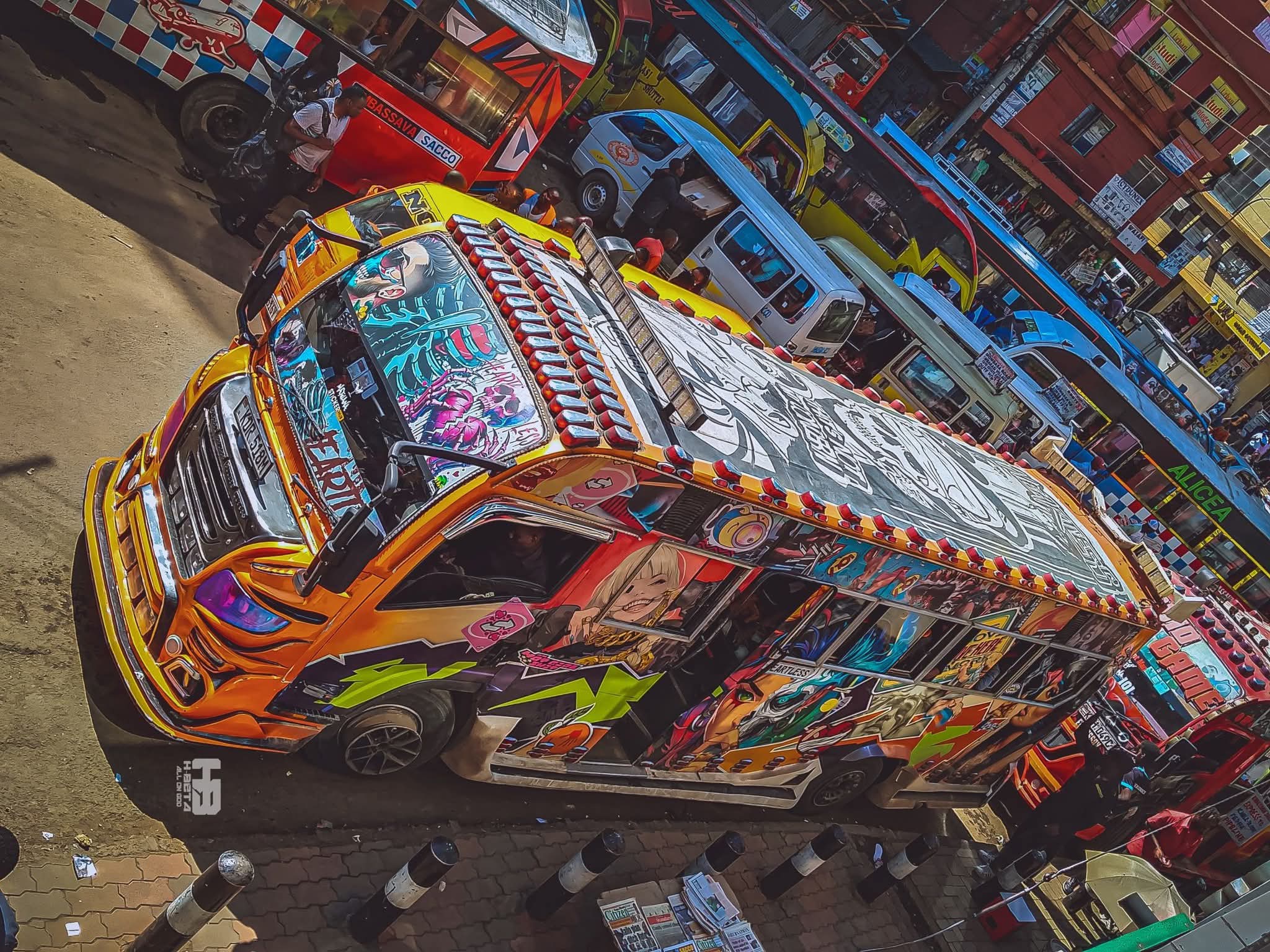
If admitted and upheld, the case could have far-reaching implications for Kenya’s transport culture. The matatu industry, famous for its vibrant music and artistic flair, may be required to rethink how entertainment is offered onboard—possibly shifting toward optional, low-volume audio or silent rides by default.
Transport stakeholders and commuters are sharply divided. Supporters of the petition welcome it as overdue recognition of commuter welfare and public health. Critics argue that “nganya” culture is a defining feature of urban transport and a source of livelihood and identity for crews and artists alike.
As the High Court considers the matter, the petition forces a broader national conversation: where should the line be drawn between cultural expression and constitutional rights?
The ruling, expected in the coming months, may finally determine whether loud music in PSVs is a harmless tradition—or an unlawful imposition on the public.