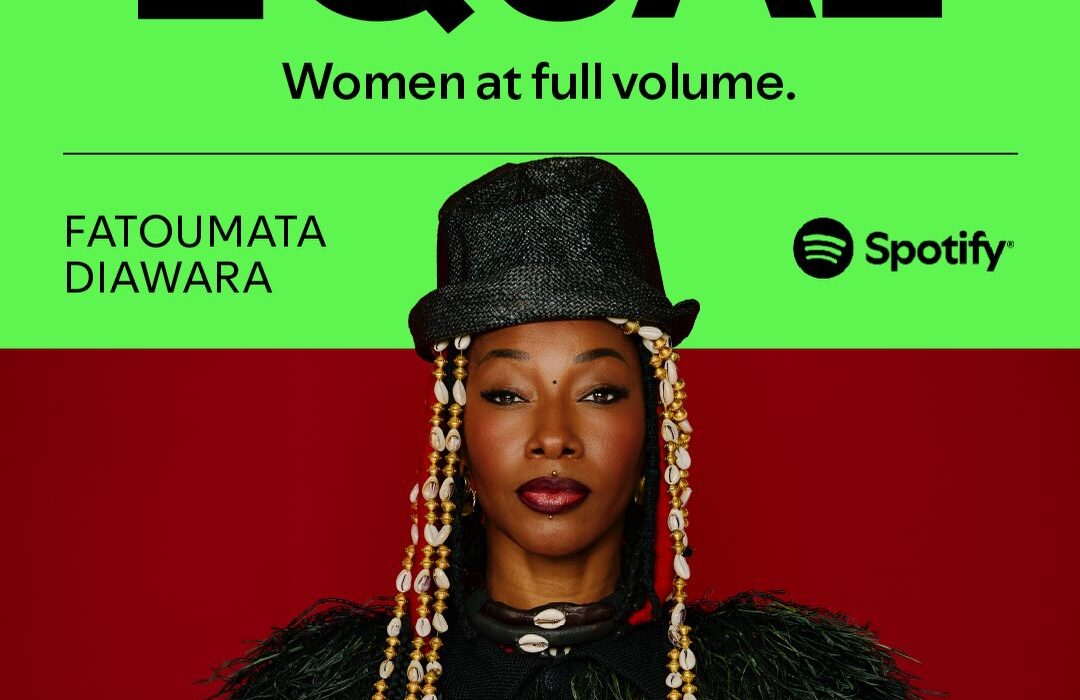
Grammy-nominated Malian trailblazer Fatoumata Diawara has been named Spotify’s EQUAL Africa artist for June, marking another milestone in a career that has seen her reshape contemporary African music on the global stage.
A singer, songwriter, guitarist, and actress, Fatoumata has built a reputation for blending Mali’s Mandinka traditions with modern global influences, creating music deeply rooted in wisdom, resilience, and social commentary.
Her artistic journey stretches across film, theatre, and music. Before stepping fully into the spotlight, she made her mark in Mali’s film industry and worked as a backing vocalist for her mentor, legendary singer Oumou Sangaré. Over the years, she has collaborated with some of the world’s biggest names, including Damon Albarn, Gorillaz, Disclosure, and the Lamomali collective, which attracted more than 450,000 spectators in France last year.
Through every phase of her evolution, Fatoumata has remained grounded in the advice-giving spirit of her Wassoulou heritage, constantly pushing creative boundaries while staying true to her roots.
This year, she returns with MASSA, her most personal project yet. The album, released on June 5, 2026, is an introspective body of work co-produced alongside French pop icon and guitar virtuoso -M-. The project explores her dual life as an international music star and a mother, touching on themes of wisdom, resilience, and the complexities of modern society, while encouraging listeners to embrace gratitude and beauty in their own journeys.
By fusing her deep Mandinka roots with rich pop textures, Fatoumata continues to expand the possibilities of African music. In another groundbreaking achievement, she also became the first Black woman in 2026 to launch a signature guitar with Gibson Epiphone, further solidifying her place as a trailblazer for the next generation of musicians.
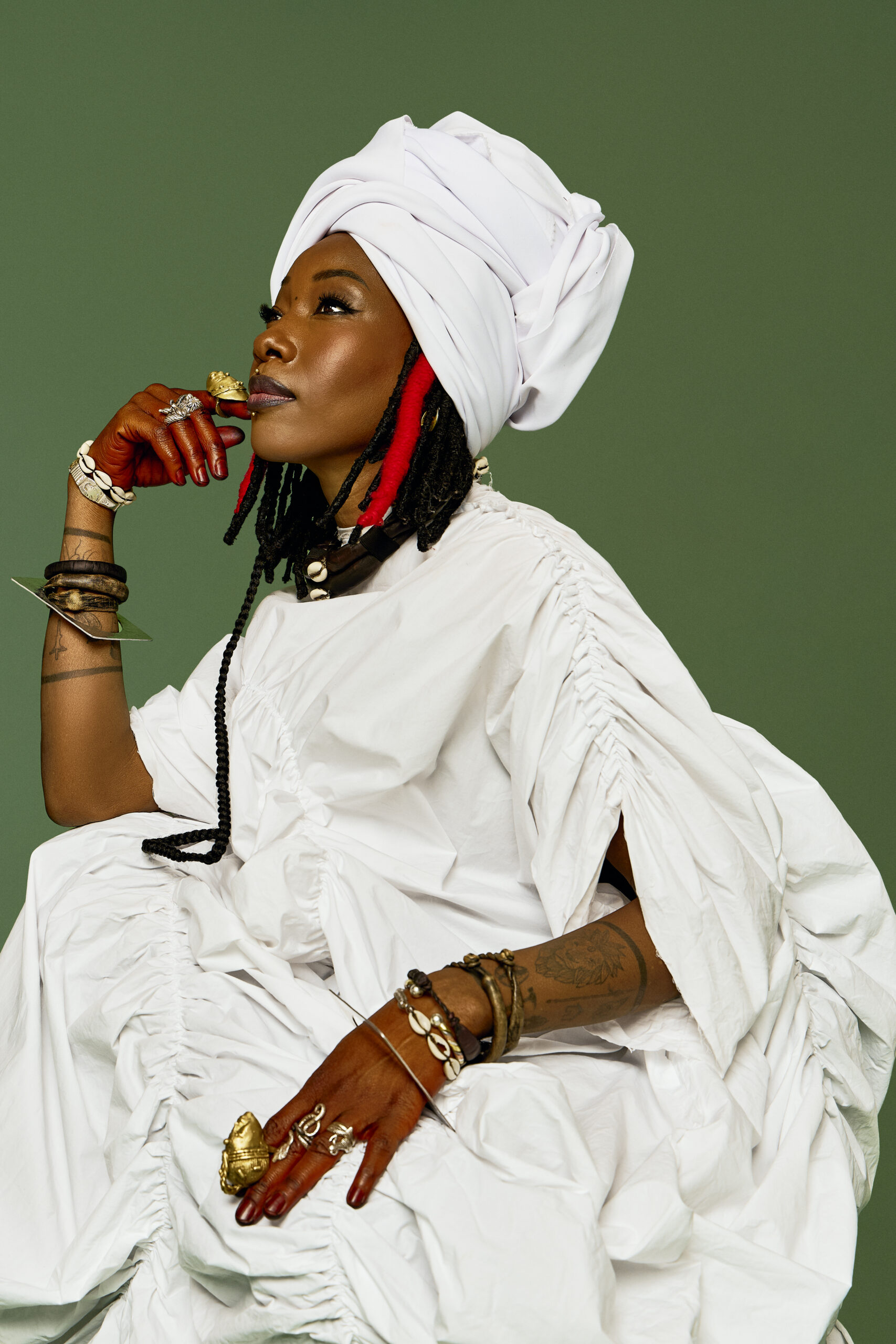
Spotify’s EQUAL Africa programme remains committed to spotlighting women who are shaping Africa’s musical narrative, and Fatoumata’s selection highlights her lasting impact across the continent and beyond.
“Fatoumata’s music reflects the creativity and drive that have helped shape Africa’s current music scene,” says Phiona Okumu, Spotify’s Head of Music for Sub-Saharan Africa. “As part of Spotify’s EQUAL programme, she represents how African women are advancing visibility, driving opportunities, and building global connections through their art.”
We caught up with Fatoumata to talk about her creative journey, inspirations, and the soulful energy that continues to define her music.
Q&A
1 What is that one surprising thing your fans might not know about you?
If I wasn’t a singer, I think I would have loved to be a babysitter. I love children and I have always felt a special connection with them. Children are honest, spontaneous, and full of imagination. Being around them brings me joy and reminds me to stay curious and open-hearted.
2 When did you realise that making music was in your destiny and what is your WHY for pursuing this craft?
When I was very young, I experienced the loss of my sister. It was a painful moment in my life, and I remember feeling alone with my sadness. Instead of crying, I started singing. Music became a way for me to express emotions that I couldn’t put into words. It transformed my pain into something beautiful. It was like turning rain into sunshine.
That was the moment I realised music was my destiny. It became my way of surviving trauma, healing wounds, and finding hope. Music continues to heal me today.
3 Which African songs or artists did you grow up listening to?
I grew up listening to incredible artists who shaped my musical identity, including Amadou & Mariam, Fela Kuti, Ali Farka Touré, Kassav’, and Miriam Makeba. Each of them brought something unique to my understanding of music.
4 To someone who has never heard your music, how would you describe the sound, tone, and style?
My music is a melting pot of influences. At its heart, it is rooted in Mali, but it also embraces blues, folk, rock, jazz, and modern sounds from around the world. I like to build bridges between tradition and modernity. My songs carry the rhythms and stories of my culture while remaining open to new sounds and ideas. The result is a musical journey that is both deeply African and universally human.
5 Any advice for someone dreading following their dreams?
Never doubt yourself. There is a hidden power inside each of us, a strength that often comes from our ancestors, our history, and our life experiences. Sometimes we don’t see it right away, but through hard work and perseverance, we discover it.
Believe in yourself even when nobody else does. Don’t let fear stop you from taking the first step. Fear is natural, but it should never be stronger than your dreams. Trust your intuition, stay focused, and keep moving forward. The power you are looking for is already within you.
6 How do you navigate the music space as a woman artist and how does your unique perspective shape your artistry?
For me, everything starts with listening to myself. As women, we often have clear ideas, strong instincts, and creative visions, but sometimes we hesitate to share them. I have learned that it is important to trust my voice and communicate my ideas with confidence.
I believe we already carry many of the answers within us. The challenge is learning to listen. When I trust myself and stay connected to who I am, it becomes easier to navigate the industry and stay true to my artistic vision. My perspective as a woman shapes my music because I write from lived experiences, emotions, and stories that are deeply personal but also universal.
7 A quote from you about your experience navigating the male-dominated world of music and what being a part of the EQUAL programme means to you.
“The day I picked up a guitar, I already felt equal. The guitar became my weapon, my freedom, and my voice.”
I encourage every young woman artist to learn an instrument if she has the opportunity. It gives you independence and confidence. In a male-dominated industry, communication is also essential. You must express your ideas clearly, stand by your decisions, and never doubt your value.
Being part of the EQUAL programme is meaningful because it helps amplify women’s voices and creates more opportunities for future generations of female artists. Equality is not about asking for permission to be heard; it is about recognizing your own power and using it fearlessly. Freedom is a tool, and every woman deserves to have access to it.