
![An X-ray image showing MC Fullstop's lungs [L]. MC Fullstop breathing through an oxygen mask [right]. PHOTOS/Instagram/@mc_fullstop](https://biggestkaka.co.ke/wp-content/uploads/2025/08/MC-Fullstop-lungs.jpg)
Kenyan Reggae fans are in mourning after the passing of celebrated MC and hype man John Maina, widely known as MC Fullstop, who died on August 1, 2025, following a long, difficult battle with tuberculosis (TB).
Born in Nairobi in the early 1990s, MC Fullstop emerged at just 14, energising reggae and dancehall scenes across Githurai, Kibra, Rongai, and Kayole.
His chant—“Thika! Thika! Thika!”—became legendary, signalling his takeover of the stage and mic.
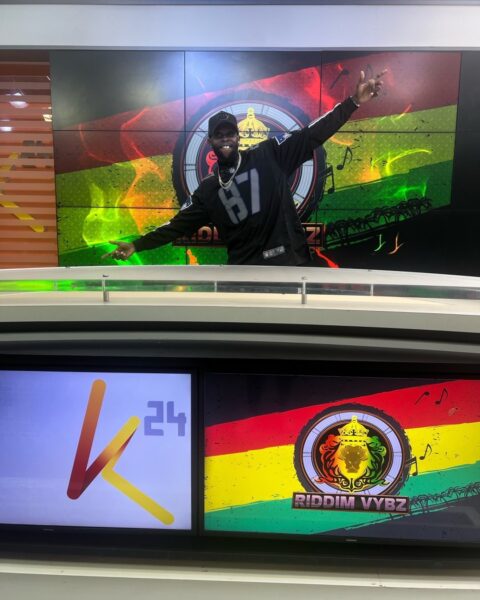
In the 2000s and 2010s, his presence on radio shows like K24’s Riddim Vybez, Kiss FM, Citizen TV, K24, and NRG Radio cemented his influence on Kenya’s music culture.
Since 2021, MC Fullstop has been in and out of hospitals as he battled a bout of TB.
Below are five critical facts about the disease that led to his untimely loss.
1. MC Fullstop battled two forms of TB
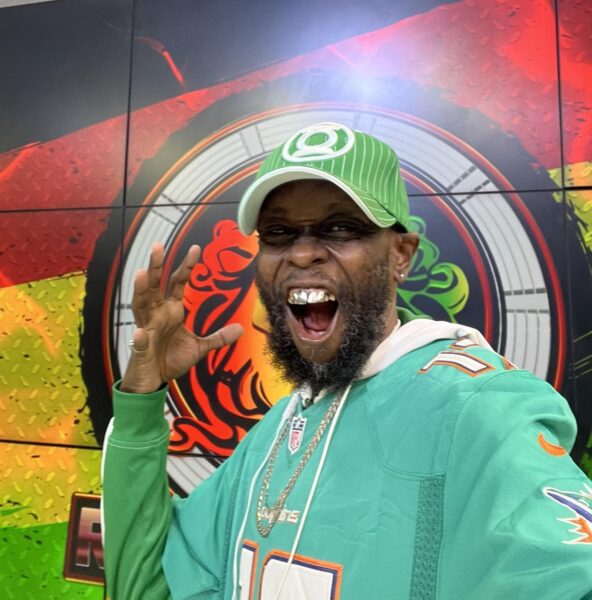
In 2021, the Nairobi-born reggae legend was diagnosed with pulmonary tuberculosis, which ultimately caused his left lung to collapse.
A year later, he was struck with laryngeal (throat) TB, a rare and debilitating form that ravaged his vocal cords.
He would later describe losing his ability to walk, speak, or even keep oxygen flowing—shocking declines for a performer known for his booming voice and high-energy stage presence.
2. Collapsed lung makes breathing a nightmare
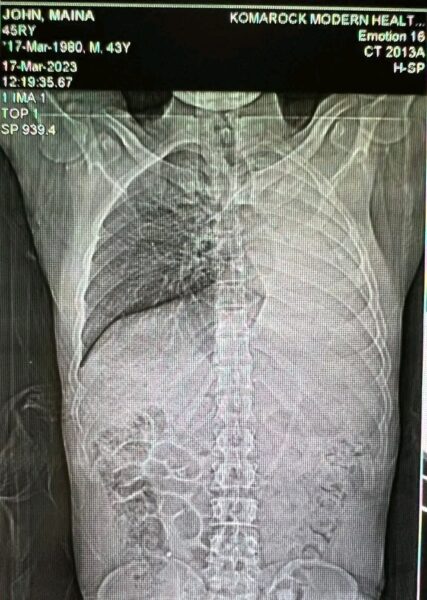
MC Fullstop’s left lung was severely compromised, a condition known as pneumothorax.
This occurs when air leaks into the space between the lung and chest wall, preventing the lung from expanding properly.
Symptoms include intense shortness of breath and chest pain. According to medical sources like Johns Hopkins, while people can survive with one lung, it places incredible strain on the body—especially if the remaining lung is also damaged.
3. Throat TB silenced his voice forever
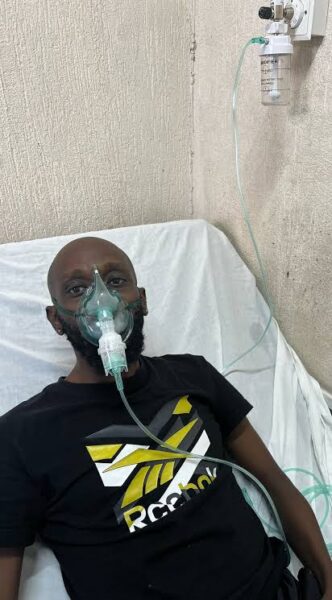
In 2022, the disease progressed to MC Fullstop’s throat.
Throat TB attacks the larynx and surrounding structures, irreversibly damaging the vocal cords.
For an MC whose identity was built around mic control and chant-led energy, losing his voice was nothing short of heartbreaking.
Despite treatment, his ability to speak—even whisper—became a monumental challenge.
4. TB is curable but only with strict treatment

Tuberculosis is caused by Mycobacterium tuberculosis and is treated with a six to nine-month course of antibiotics.
However, interruptions in treatment, delayed diagnosis, or drug resistance can worsen outcomes.
MC Fullstop’s case underscores this — as his prolonged illness deteriorated despite ongoing medication, highlighting the need for early detection and consistent care.
5. MC Fullstop’s disclosure
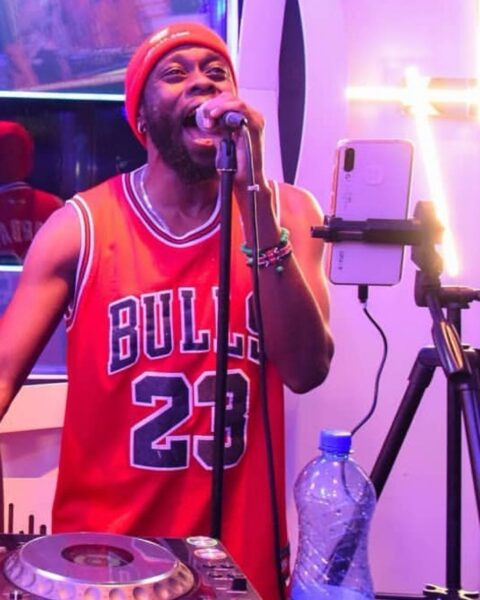
Even in his frailty, MC Fullstop remained remarkably transparent and hopeful about his condition.
Sharing his struggles openly on social media, he thanked fans and supporters and encouraged compassion for those battling chronic illness.
“Hii imeenda” literally. My left lung has totally collapsed nimebaki na moja. In 2021 i was diagnosed with TB ya lungs ikasosi lungs kabisa. 2022 nikapata TB ya throat nayo ikanimaliza sauti, Running, walking, kuongea ni shida…….alafu lungs zina lungs ufala unlike Liver, haiwezi ji heal itabidi nijipange hapa naona niki hang boots. I just wanna say thanks kwa wale wamekuwa wakini support in this difficult moments God awa bless tu sana,” MC Fullstop wrote in March 2024.
In April 2025, he dismissed rumours about his death, responding to early tributes with disbelief and a plea for truth.
Months later, despite an emaciated appearance and diminished stamina, he made a touching return to radio in June 2023—but his voice was a faint echo of its former self.
Although his bookings dwindled as health waned, his fans continued to support and praise him—recognising him not just as an artist, but as an enduring symbol of the genre’s grit and joy.
Even on July 30, 2025—just a day before his passing—he remained active on X, connecting with followers until the very end.
MC Fullstop’s death has triggered an outpouring of tributes from music lovers, DJs, radio hosts, and fellow artists.
Obituaries recall the man who could stop a set simply by stepping up to the mic—whose voice gave reggae in Kenya its rhythm and its soul.