

Kenya’s battle against the HIV/AIDS epidemic has entered a bold—and potentially controversial—new era following the arrival of a revolutionary “shield” that experts fear could trigger a surge in unprotected sex.
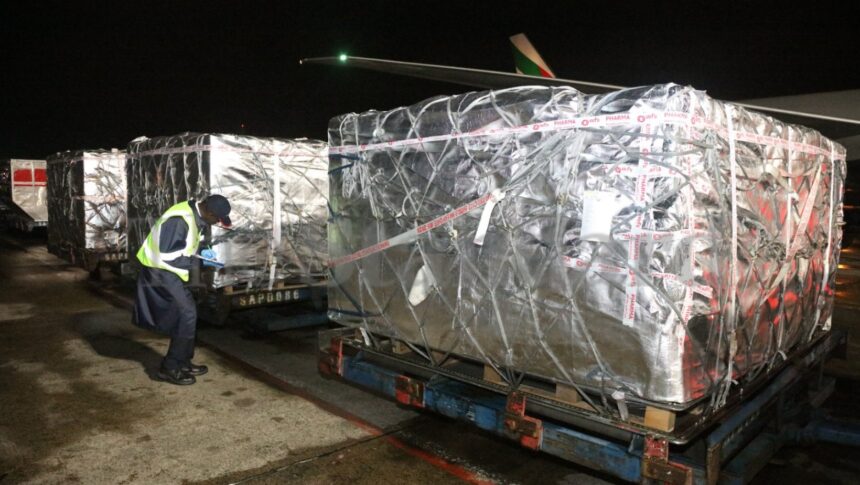
On Tuesday, February 17, 2026, the Ministry of Health confirmed the receipt of 21,000 starter doses of Lenacapavir, a long-acting injectable that prevents HIV infection with just two shots a year.
While medical professionals are hailing the drug as a “paradigm shift” for public health, a different conversation is erupting on the streets of Nairobi: the terrifying prospect that it will encourage a generation to “smash raw.”
Previously, Lenacapavir was a luxury available only to the ultra-wealthy, costing a jaw-dropping $42,000 (Ksh5.4 million) per year. Thanks to high-level negotiations and Global Fund support, the cost in Kenya has plummeted to approximately Ksh7,800 annually.
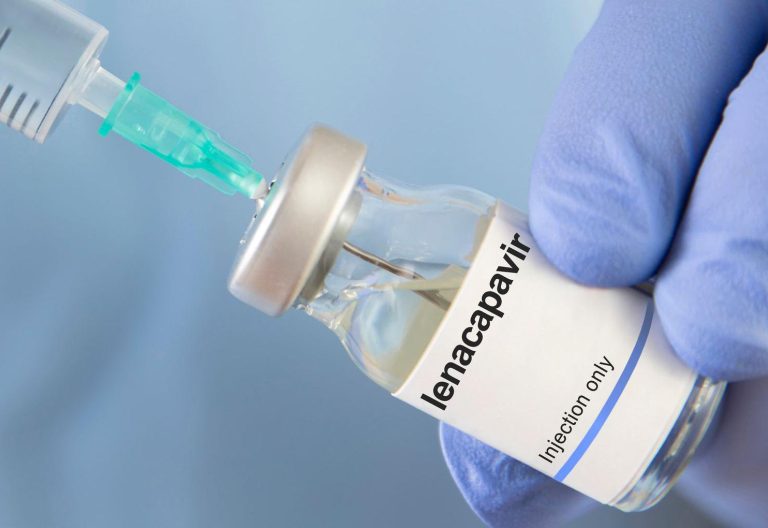
With an additional 12,000 doses expected in April, the government is preparing for a March rollout in 15 “hotspot” counties.
However, the convenience of the twice-yearly shot—which replaces the need for a daily pill (PrEP)—has raised eyebrows among moralists and medics alike, who worry it may inadvertently “greenlight” risky behavior.
The primary concern is “risk compensation”—the phenomenon where individuals engage in significantly more dangerous behavior because they feel protected against a specific threat.
Social media across Kenya is already buzzing with users half-joking about abandoning condoms once they receive the “jab.”
But health officials have issued a stern reality check: Lenacapavir only prevents HIV.
“It offers absolutely no protection against other sexually transmitted infections like syphilis, gonorrhea, or chlamydia. It must still be used alongside condoms. This is an addition to our arsenal, not a replacement for common sense,” a health official warned.
The first phase of the rollout will target regions with the highest prevalence rates, including Homa Bay, Siaya, Migori, and Nairobi.
For many in these areas, particularly young women and adolescent girls who face the highest risk of infection, the drug is a literal lifesaver that removes the stigma and “pill fatigue” associated with traditional treatments.
As the country prepares for the March launch, the Ministry of Health is racing to train healthcare workers in 15 counties.
While the “shot of hope” could finally put an end to new HIV infections by 2027, the real test will be whether Kenyan nightlife sees a spike in the “old” diseases that the new drug cannot touch.