
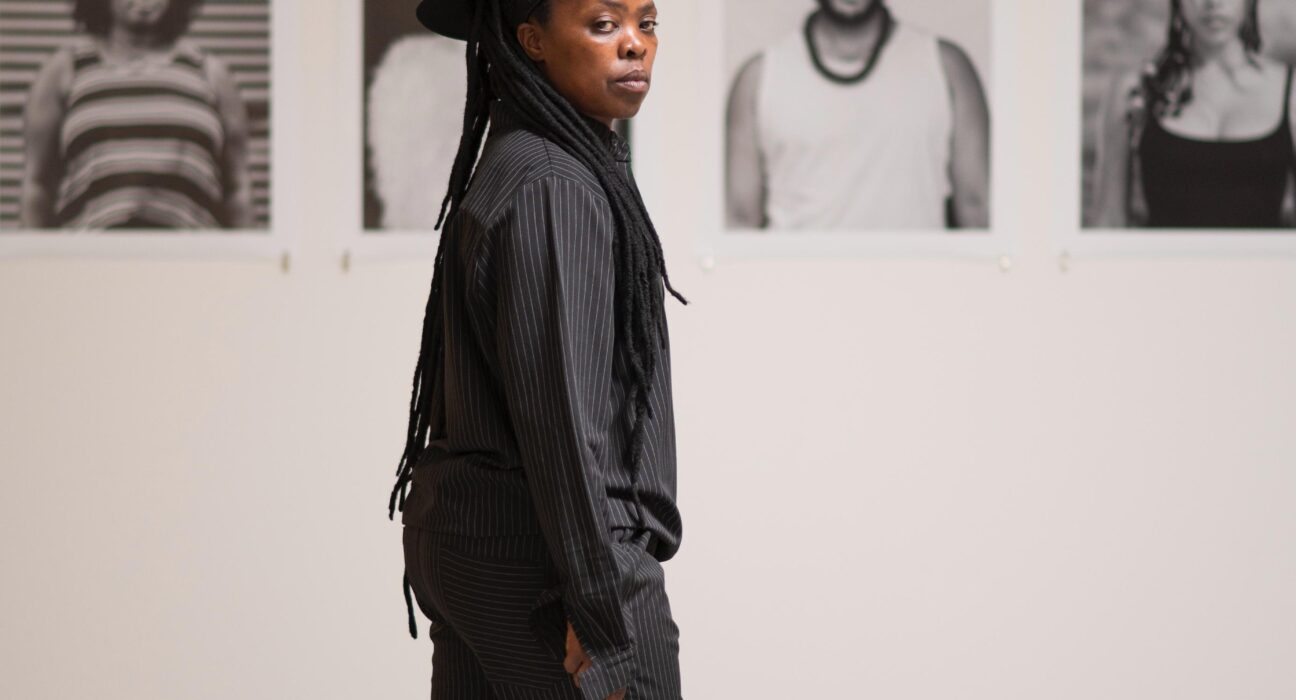
Renowned visual activist and photographer Zanele Muholi has confirmed an upcoming international exhibition in Panama titled Amalanga awafani (Days are not the same). Presented in collaboration with Casa Santa Ana and supported by Panama’s Ministry of Culture, the exhibition is curated by Ruth Motau and will run from January 24 to April 19, 2026, at Casa Santa Ana.
The exhibition brings together pivotal works from Muholi’s acclaimed ongoing series Somnyama Ngonyama (Hail the Dark Lioness) and Faces and Phases. It forms part of the month-long Muholi Art Institute (MAI) Mobile Art in Residency programme in Panama and explores how shifting conditions of safety, visibility, and belonging shape Black queer lives. Each portrait captures a distinct moment, underscoring the idea that identity, dignity, and survival are constantly evolving rather than fixed.
Initiated in 2006, Faces and Phases has grown into an archive of more than 600 portraits documenting and honouring Black lesbians, transgender, and gender non-conforming people across South Africa, Panama, the United Kingdom, the United States, Portugal, and Brazil.
The title reflects both the individuals portrayed (“faces”) and the personal and social transitions they experience (“phases”), including changes in gender expression, sexuality, ageing, education, work, and family life. Muholi has described the project as a vital act of visual preservation, stating that it is essential to record and safeguard these moments so future generations can recognise that these lives existed and mattered.
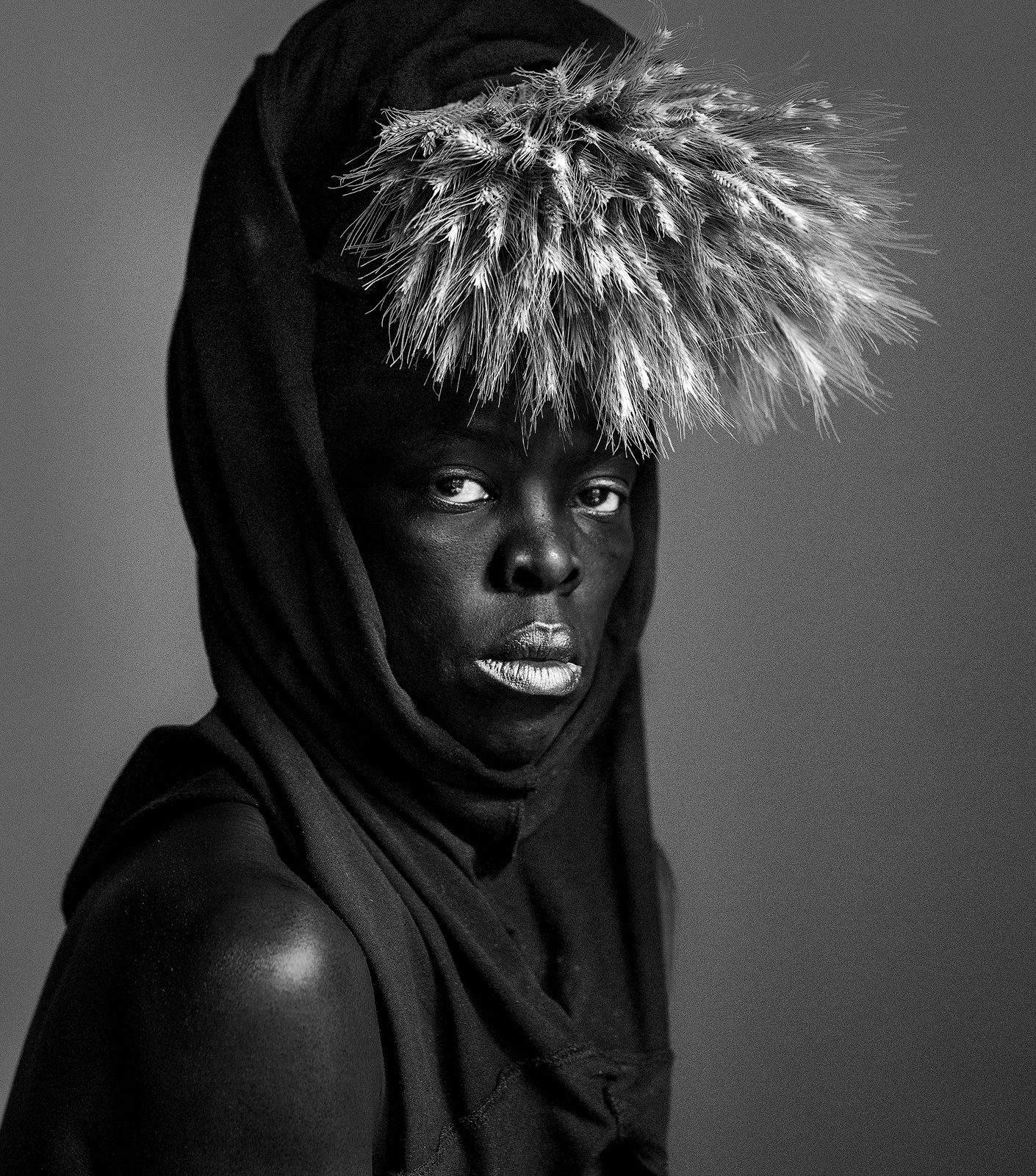
In contrast, Somnyama Ngonyama, which began in 2012, turns inward through a series of striking self-portraits. Using high-contrast imagery and everyday materials such as clothing pegs, toothpaste, Vaseline, and plastic found in their immediate environment, Muholi creates powerful visual statements that confront histories of racism, exclusion, and displacement. The series reframes Blackness and challenges dominant narratives around race and representation, positioning portraiture as both a personal ritual and a collective act of remembrance.
Speaking on the exhibition, Panamanian Minister of Culture María Eugenia Herrera welcomed Muholi’s arrival, noting that the presentation creates an important platform for dialogue and inclusion. She emphasised that supporting such initiatives is key to fostering a cultural landscape that reflects the diversity of voices and lived realities within society.
Muholi described Amalanga awafani as a reminder that no two days are ever the same. Through the exhibition in Panama, they explained, the work asserts presence, complexity, and joy in defiance of erasure, while expressing gratitude to Casa Santa Ana for providing a space where these conversations can take shape.
Curator Ruth Motau highlighted that bringing Somnyama Ngonyama and Faces and Phases together reveals the deep connections between self-representation and collective archiving. She noted that Muholi’s practice insists on visibility as both a personal and political necessity, and that presenting this work in Panama extends that insistence across borders and shared human experiences.
Casa Santa Ana director Carolina Hausmann added that the institution was founded to connect people through contemporary art and critically engage with current social realities. She said the exhibition aligns with this mission by placing Muholi’s work in conversation with Panama’s own contexts, while encouraging inclusion, visibility, and cross-cultural exchange.
The opening night will also feature a special interdisciplinary performance combining South African operatic vocals with contemporary dance, choreographed by Lusanda Dayimani, reflecting Muholi’s ongoing commitment to dialogue across visual, sonic, and movement-based art forms.
Amalanga awafani (Days are not the same) will be open to the public at Casa Santa Ana from January 24 to April 19, 2026. Admission is free.
Released by Kwathole Conexion on behalf of the Muholi Art Institute (MAI) and Casa Santa Ana.