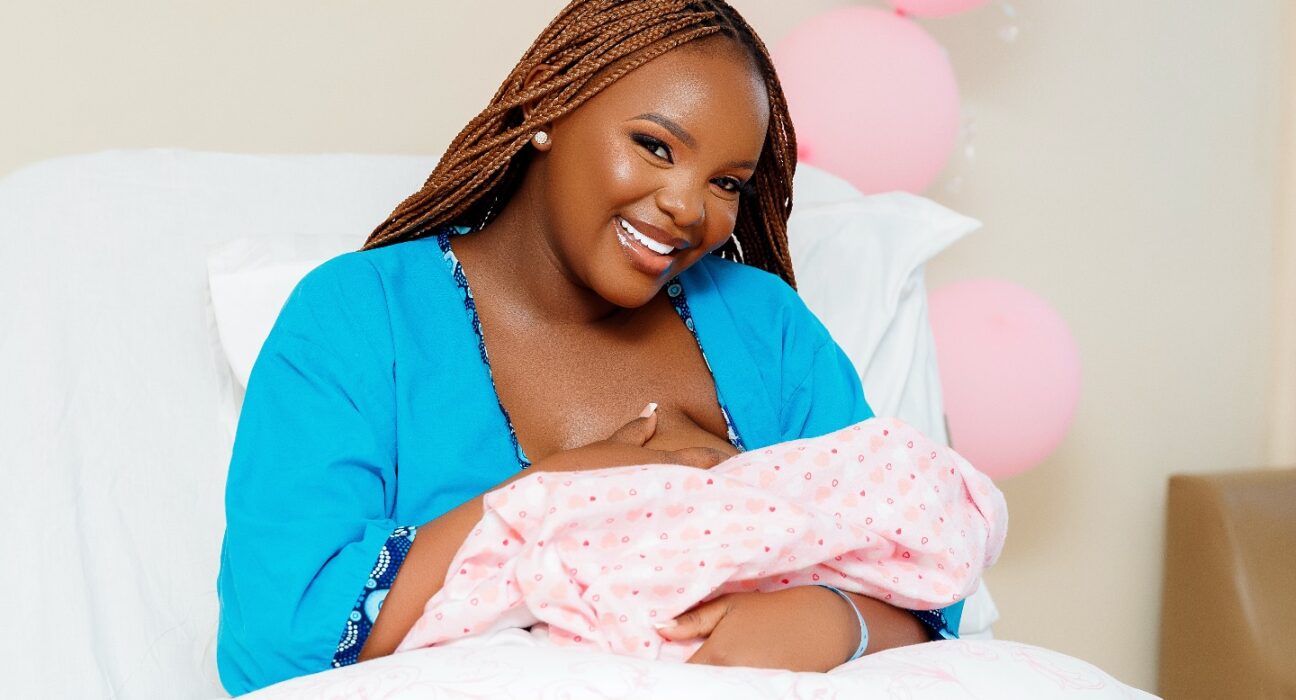
Digital creator Dorea Chege has revealed her secret battle with non-cancerous growths that turned her first pregnancy into a high-risk nightmare.
The former Maria actress describes the ‘intense pain’ of a 24-hour labour that failed to progress, forcing a traumatic emergency C-section and a terrifying medical battle for the life of her child.
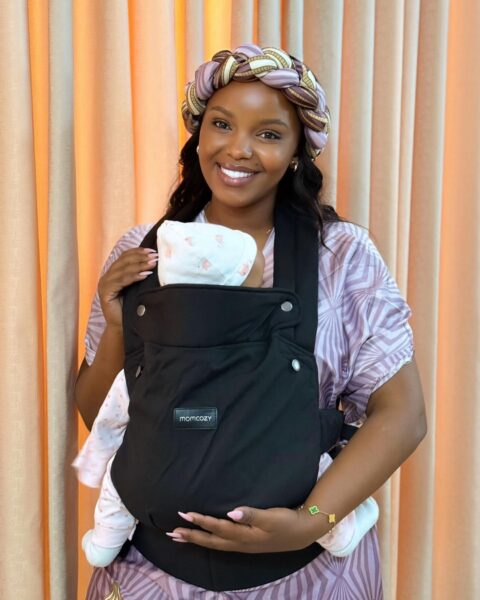
In a raw and deeply personal interview shared on Tuesday, January 20, 2026, the digital content creator revealed for the first time that her journey to motherhood was nearly derailed by a cluster of five massive uterine fibroids.
Speaking on the Wapendwa Muziki YouTube channel, Dorea detailed how the growths—some of which were large enough to block her birth canal—turned her delivery into a life-threatening ordeal.
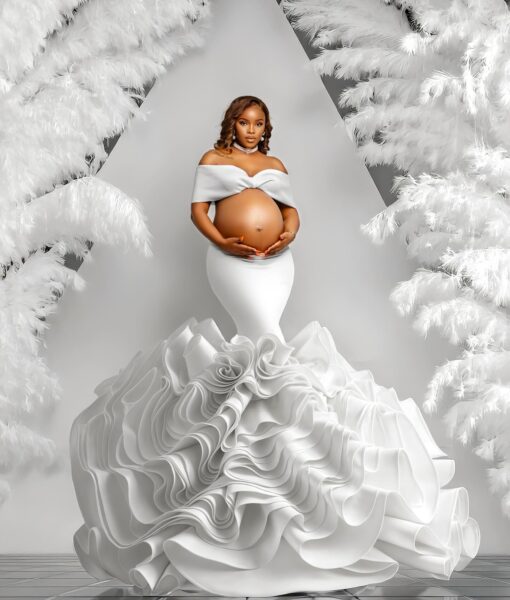
“I had five fibroids and they were big,” Dorea revealed during a visit to see her friend Ninah, who was also recovering from childbirth.
“Mine had blocked the cervix and they were also around the womb. I spent a long time in the theatre because after the baby was out, they had to remove them all.”
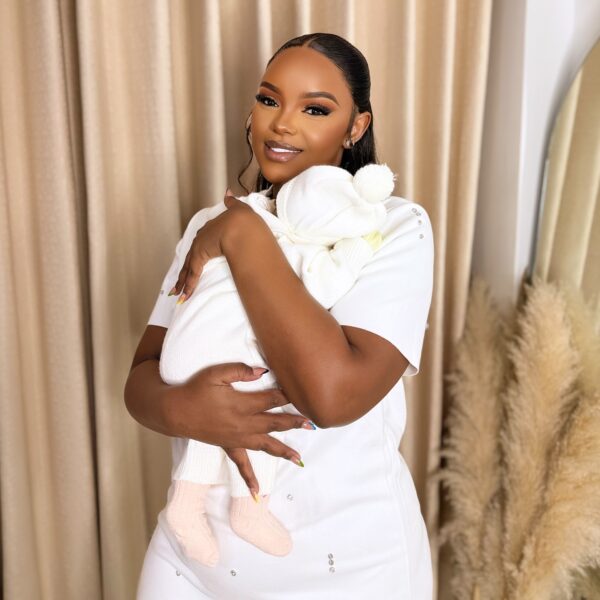
Dorea, who had dreamed of a natural birth, described the heartbreak of enduring a marathon labour that simply wouldn’t progress.
Despite her body’s efforts, the physical obstruction caused by the fibroids meant she could not dilate.
“I laboured for so long—a whole day, a whole night, all that pain,” she recalled.
“When I was finally told I had to go for an emergency C-section, I couldn’t believe it. I felt so bad because I really wanted a normal delivery, but it just wasn’t possible.”

The surgery was complex and lengthy, as surgeons had to navigate the “nest” of fibroids surrounding her uterus while ensuring the safety of her newborn.
The interview took an even more emotional turn as it was revealed that Dorea was not the only one in the room to have suffered.
Ninah’s husband, Mesh, shared that his wife’s own delivery was halted by a massive 9.5cm fibroid that had also blocked her cervix.
“The doctor said we couldn’t get the baby through normal delivery,” Mesh explained.
Ninah added that while she only had one growth compared to Dorea’s five, the single fibroid was positioned so precariously that it “caused endless problems” throughout her trimesters.
The revelations have brought much-needed attention to a health crisis that disproportionately affects women of African descent. Medical studies suggest that 80 per cent of Black women will develop fibroids by age 50—often developing larger, more symptomatic growths at an earlier age than other ethnic groups.
For Dorea, breaking her silence was about more than just sharing a birth story; it was about validating the experiences of millions of women who suffer from pelvic pain, heavy bleeding, and fertility struggles in silence.
“It was an emergency, but we are here now,” Dorea said, looking at the miracle of her healthy child. “But that pain, and that feeling of theatre… I will never forget it.”