

Philip Etemesi’s The Fornicator is one of the boldest and most talked-about entries in contemporary Kenyan literature.
Known internationally for his sharp cultural commentary and film criticism, Etemesi makes a decisive shift into long-form fiction with a novel that refuses to play it safe. Instead, he leans into discomfort, honesty, and emotional rawness, presenting a story that mirrors the complexities of modern urban life in Kenya.
At the center of the novel is Pesh, a young university student navigating adulthood in a society that constantly negotiates between tradition and personal freedom. Through her experiences, Etemesi explores desire, intimacy, heartbreak, and identity without moral hand-holding.
The narrative does not seek to justify or condemn its characters; it simply presents them as they are—flawed, impulsive, searching, and human. This approach gives the book its edge and separates it from more conventional coming-of-age stories.
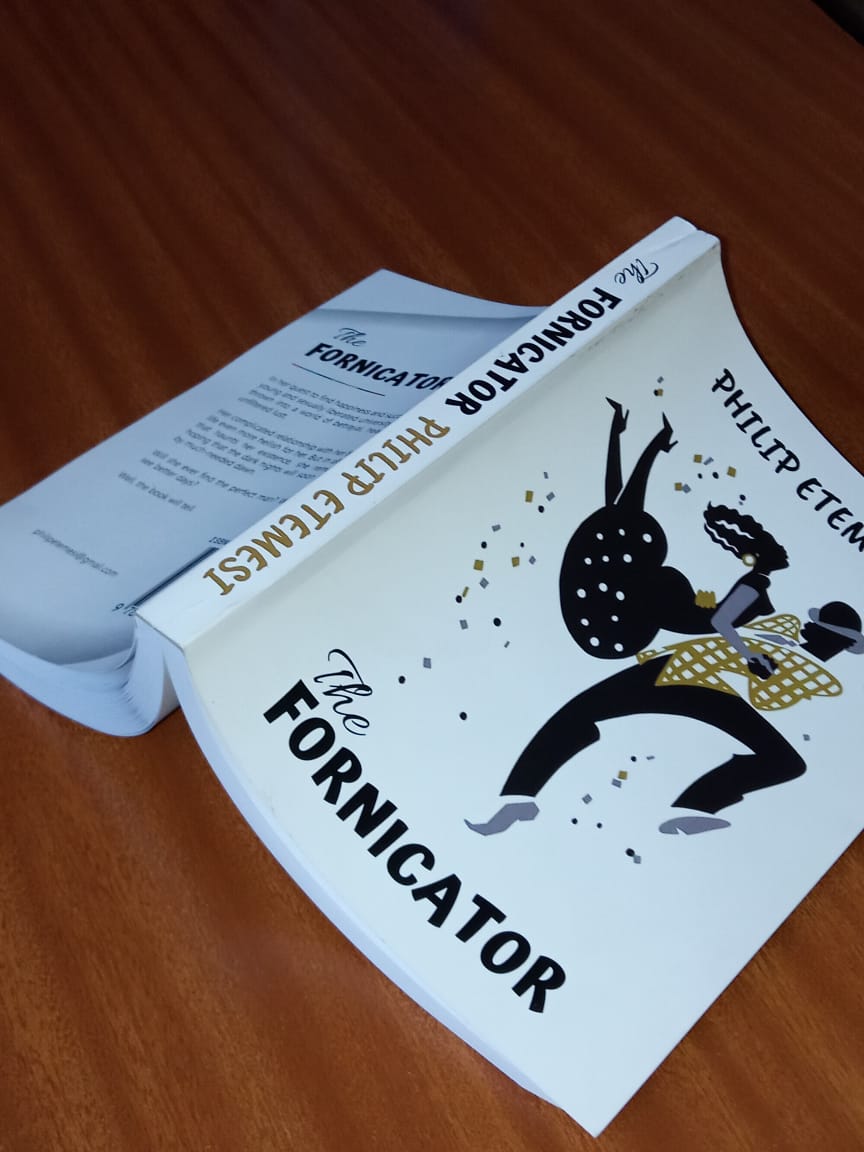
What makes The Fornicator particularly striking is its unapologetic treatment of sexuality. Etemesi treats sex not as a side note or shock device, but as a central part of his character’s emotional and psychological journey. In doing so, he challenges long-standing taboos within African literature, where such themes have often been muted or symbolically addressed.
His writing insists that modern Kenyan stories can be explicit, honest, and still deeply literary.
You can get the book on Amazon Kindle right here: The Fornicator
Beyond intimacy, the novel subtly captures the realities of youth culture—financial instability, strained relationships, ambition, and the quiet anxiety of becoming an adult in a fast-changing society.
The urban settings feel lived-in and familiar, grounding the story in a recognizable Kenyan context while allowing its themes to resonate universally.
The Fornicator is not a comfortable read, nor does it aim to be. Its power lies in its fearlessness and refusal to sanitize real experiences.
With this book, Philip Etemesi establishes himself not just as a cultural commentator, but as a literary voice willing to push boundaries and expand the scope of what modern Kenyan fiction can look like.